Weaver Highlights Damosa‑TRYP Venture to Bring Employment, Local Tourism Growth to Mindanao
February 07, 2026
Mindanao’s hospitality environment is primed for revolutionary growth, according to a newly announced agreement between Damosa Land, Inc. and TRYP by Wyndham, which establishes one of the Philippines’ greatest hospitality investment possibilities for 2026. This strategic alliance will provide world-class accommodations, significant economic advantages, job development, and renewed enthusiasm for local tourism.
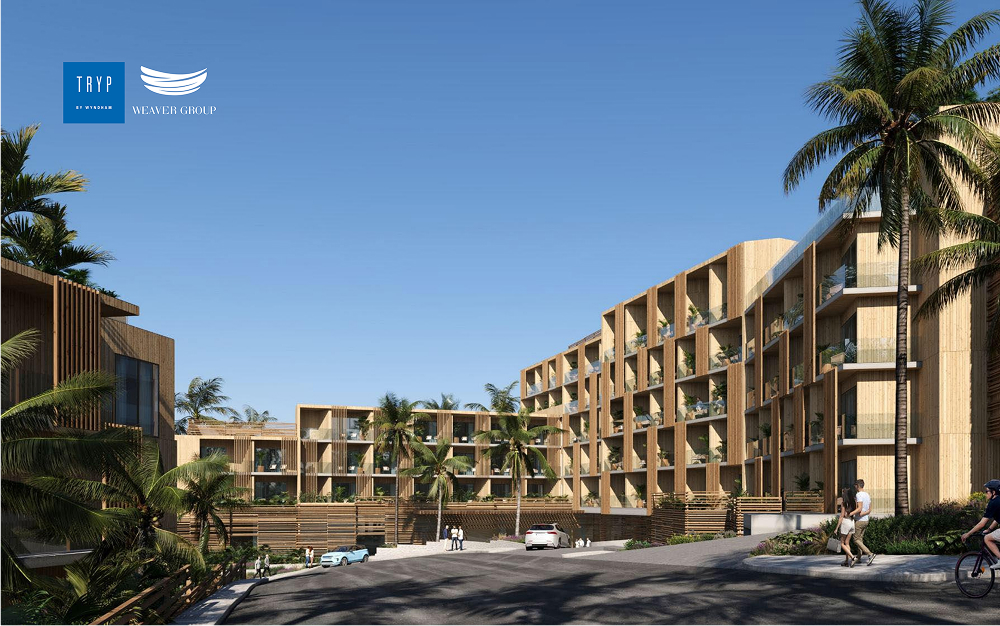
Damosa Land Inc., a Davao-based developer known for creating integrated communities and economic ecosystems in Mindanao, is in the forefront of this endeavour. In collaboration with TRYP by Wyndham – a globally recognised lifestyle hotel brand, the project provides an international hotel experience to Samal Island, a growing destination in the southern Philippines.
A Landmark Investment in Hospitality
The 100-room, four-star TRYP by Wyndham Samal condotel is one of Mindanao’s largest hospitality investments for 2026. This project, valued at ?1.2 billion, would bring a world-class hotel experience to Samal’s natural seaside tourism area. TRYP by Wyndham Samal is more than just a hotel; it is an investment concept backed by regulatory innovation. The Philippines’ first rental pool program has been approved under the Securities and Exchange Commission’s (SEC) Securing and Expanding Capital in Real Estate Non-Traditional Securities framework.
The SEC RENT certification publicly recognizes rental pools as investment contracts with established safeguards and transparency norms, providing investors and stakeholders with confidence in long-term growth and returns.
Catalyst for Local Employment and Tourism
The Damosa-TRYP collaboration is more than just a hospitality project; it is a significant economic growth for local employment and tourism ecosystem development. Once operational, the property will provide employment opportunities at all levels of the hospitality value chain, including hotel operations, food and beverage services, event management, and housekeeping, as well as associated sectors such as transportation, retail, and tour services.
Furthermore, the position of TRYP at Wyndham Samal is consistent with broader regional connectivity objectives. The projected Davao-Samal bridge is expected to improve access between Davao City and Samal Island, positioning the hotel for increased leisure and business travel demand in the future.
Why This Is One of the Biggest Hospitality Investment Opportunities in 2026
Weaver Group, as a Strategic Real Estate Advisor, recognizes this historic project, which not only improves Mindanao’s hospitality scene but also demonstrates how intentional investment, regulatory innovation, and strategic alliances can drive inclusive growth in regional tourism economies. Weaver Group, in its consulting function, promotes advances that align market intelligence, long-term value creation, and sustainable tourist growth. Weaver tells stories of innovation, progress, and opportunity from all around the Philippines, with a focus on forward-thinking real estate and hospitality enterprises that are transforming sectors and communities into more sustainable and affluent futures.
Several elements make the Damosa-TRYP collaboration a significant hospitality investment milestone. The partnership with TRYP by Wyndham increases the project’s visibility and appeal to domestic and international travellers. The SEC RENT clearance establishes it as a benchmark for transparent and investor-friendly hospitality investment models in the Philippines.
Beyond hotel operations, the expansion has a substantial economic multiplier impact, encouraging neighbouring sectors and increasing job generation and tourism-related prospects around Samal Island and Davao. When combined with the robust recovery and development expectations for the Philippine tourism industry, the project’s long-term viability is further enhanced. Weaver applauds this historic initiative, which not only improves Mindanao’s hospitality landscape, but also demonstrates how smart investment, regulatory innovation, and careful collaborations can drive inclusive growth in regional tourism industries.