Retail Real Estate Development Trends: What’s Driving Growth in 2026
December 23, 2025
Overview:
- What Factors Are Driving Retail Real Estate Growth in 2026 in the Philippines
- How Filipino Consumer Behaviour Is Reshaping Retail Spaces
- Why Mixed-Use and Suburban Developments Are Gaining Traction Locally
- How Supply Constraints and Rising Rents Are Shifting Landlord Power
- Why Smaller, Flexible Retail Formats Are Emerging
- How REIT-Backed Structures Are Supporting Retail Growth
- How Weaver Group Can Help You Capitalize on These Opportunities
The Philippine retail real estate sector is entering a dynamic phase in 2026. Developers, investors, and tenants are responding to evolving consumer behaviour, capital allocation, and development strategy shifts. For stakeholders seeking stable returns, high occupancy, and long-term relevance, understanding these trends is essential. Retail mall vacancy in Metro Manila has dropped to around 11.4%, the lowest since before the pandemic, signalling renewed demand and occupancy strength (Source: Colliers Philippines Q3 2025 Retail Market Report).
Factors Driving Retail Real Estate Growth in the Philippines
Retail growth is shaped by multiple structural and market forces. Demand for convenience, lifestyle experiences, and immersive retail is reshaping consumer expectations. Supply of high-quality retail space remains constrained due to rising construction and land costs. This scarcity increases the value of well-located and thoughtfully designed properties. Institutional capital through Real Estate Investment Trusts (REITs) provides funding and liquidity for these developments.
- Consumer Demand – Filipino shoppers seek convenience, lifestyle offerings, and immersive retail experiences (Source: Colliers Philippines Retail Market Report 2025)
- Tight Supply – Higher land and construction costs limit speculative new builds, making existing assets more valuable (Source: BusinessWorld/Colliers commentary 2025)
- Institutional Investment – REIT-backed funds offer stable financing for developers and investors
How Filipino Consumer Behaviour Is Reshaping Retail Spaces
Shopping is evolving into a lifestyle experience. Consumers now seek social interaction, entertainment, and convenience alongside retail. Malls and retail centers are being transformed into destinations offering dining, leisure, and community engagement.
Omnichannel retail strategies are also gaining traction. Many physical stores now function as showrooms, fulfillment hubs, or pickup points to complement online channels, appealing to both consumers and retailers who value flexibility.
- Experiential Retail – Lifestyle-oriented shopping enhances customer engagement
- Omnichannel Integration – Seamless linking of online and offline experiences meets modern consumer preferences
Mixed-Use and Suburban Developments
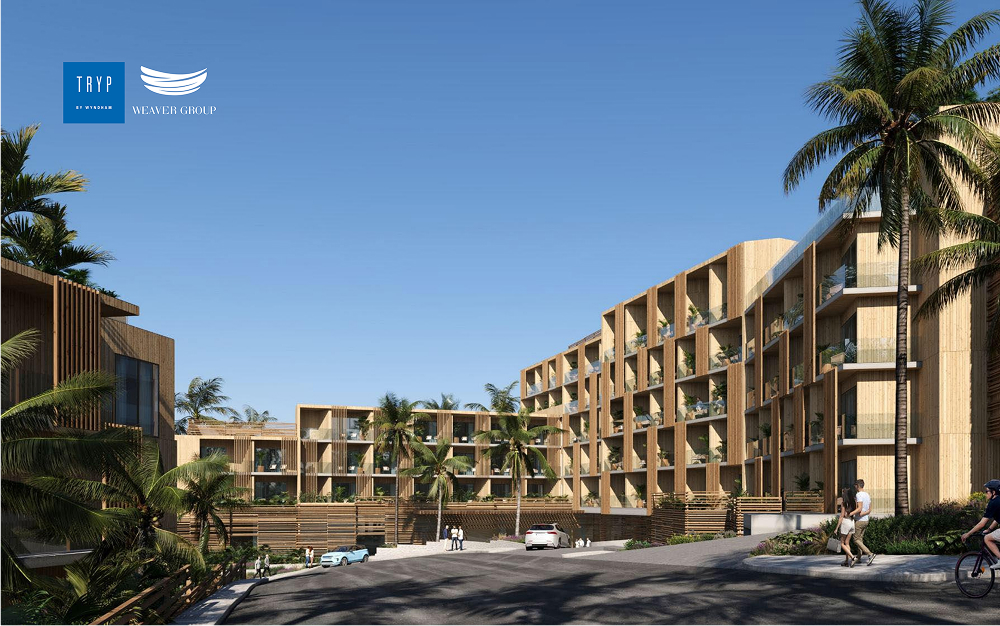
Mixed-use developments that integrate retail with residential, office, or lifestyle amenities are increasingly attractive. These developments generate steady foot traffic and support diverse tenant mixes, cushioning against market fluctuations.
Suburban and community-oriented retail hubs are growing due to post-pandemic shifts in living and working patterns. Retail centers near residential communities or transit corridors are becoming preferred, creating opportunities beyond metropolitan cores (Source: BusinessWorld, May 2025).
- Mixed-Use Integration – Combining retail, residential, and office components ensures built-in demand
- Suburban Growth – Expanding retail reach outside urban cores
Supply Constraints and Rising Rents
Limited new construction and recovering demand are shifting power toward landlords. Prime retail properties with strong tenant mixes command higher lease rates while maintaining low vacancy.
- Higher Lease Rates – Prime properties deliver stronger returns (Source: Colliers 2025 Retail Report)
- Occupancy Stability – Well-positioned spaces maintain long-term value (Source: BusinessWorld November 2025 coverage of Colliers data)
Smaller, Flexible Retail Formats
Retailers are increasingly adopting smaller, adaptable spaces that can serve multiple purposes such as showrooms or hybrid stores. Flexible layouts allow developers to respond quickly to seasonal demand and changing consumer behaviour.
- Efficient Use of Space – Adaptable formats maximise utility
- Rapid Adaptation – Layouts can adjust to evolving retail concepts
- Enhanced Property Value – Flexible designs support long-term relevance
REIT-Backed Structures Supporting Retail Growth
REIT-backed structures provide access to institutional and retail investors without direct property management. Developers benefit from stable capital to build or redevelop quality retail assets aligned with market demand.
How Weaver Group Can Help You Leverage These Opportunities
Weaver Group offers expertise in retail and commercial real estate advisory, development, and investment tailored to the Philippine market. By focusing on mixed-use projects, adaptive retail formats, and REIT-backed financing, Weaver Group helps investors, developers, and tenants achieve sustainable growth, stable returns, and market relevance.
Contact Weaver Group today at 0917-193-2837 (0917-1-WEAVER) to explore retail real estate investment and development opportunities aligned with evolving trends in the Philippines.