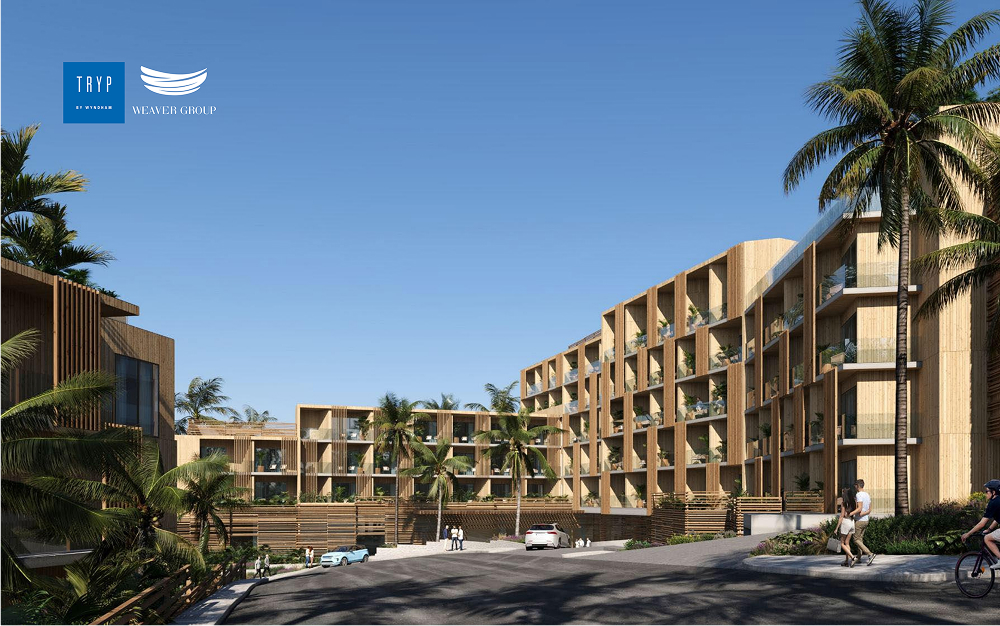
Philippine Hospitality Real Estate Trends for 2026
January 22, 2026
Overview
- Tourism Recovery and Visitor Growth Trends
- Hotel Supply Expansion and Market Dynamics
- Shifting Demand from Domestic and International Travelers
- Investment Drivers in Hospitality Real Estate
- Challenges Facing the Sector
- What This Means for Real Estate Infrastructure and Investors
- Frequently Asked Questions
- Weaver Group Your Strategic Hospitality Real Estate Partner
Introduction Philippine Hospitality Real Estate in 2026
The Philippine hospitality real estate market is entering 2026with renewed optimism. After several years of recovery, tourism is stabilizing, and infrastructure investments are strengthening market confidence. Developers are no longer focused on Metro Manila. They are now expanding into regional hubs supported by improved airports, highways, and integrated urban planning.
For investors, this period represents a turning point where hospitality real estate, tourism real estate, and broader real estate infrastructure are converging to shape the next decade of growth.
Tourism Recovery and Visitor Growth Trends
Tourism continues to be the backbone of hospitality real estate. According to data released by the Department of Tourism and cited by the Philippine Information Agency, the country recorded about 5.9 million international tourist arrivals in 2024. This represented a year-on-year increase of over 9 percent. Tourism receipts surpassed 760 billion pesos, exceeding pre-pandemic revenue levels.
The same government agencies forecast a stronger performance through 2026 as flight connectivity improves, and regional destinations receive greater promotion. Property research firms such as Leechiu Property Consultants and JLL Philippines project that tourism demand will remain strong, driven by a mix of leisure travel, balikbayan visits, and corporate travel.
These numbers directly influence tourism real estate. As visitor arrivals increase, demand for hotels, serviced apartments, and resort developments rises across both primary and emerging destinations.
Hotel Supply Expansion and Market Dynamics
The hotel pipeline for the Philippines remains aggressive. According to industry reports compiled by real estate consultancies and featured in Real Estate Asia and BusinessWorld, over 9,000 new hotel rooms are expected to be completed in 2026 alone. Metro Manila continues to lead in new supply, with thousands of keys scheduled to open in Makati, Bay Area, and Quezon City.
Outside the capital, Cebu, Palawan, Boracay, Iloilo, Clark, and Davao are seeing strong hospitality real estate expansion. National property reports estimate that more than 40,000 hotel rooms will be added nationwide by 2028, a large portion of which will come from integrated resorts and mixed-use estates.
This expansion is a direct reflection of investor confidence in the long-term potential of the Philippine hospitality market.
Shifting Demand from Domestic and International Travelers
Domestic tourism has emerged as a critical stabilizer. Data from the Department of Tourism shows that local travel continues to outpace international arrivals, with Filipinos filling hotels during peak seasons, long weekends, and corporate events.
At the same time, global hotel brands are expanding their footprint in the country. Reports from trade publications such as Retail News Asia and Hotel and Leisure Asia indicate that international operators like Marriott, Accor, Wyndham, and Ascott are increasing partnerships with local developers.
This shift is reshaping hospitality real estate concepts. Properties now feature serviced residences, lifestyle hotels, co-living components, and flexible stay formats that cater to longer stays and hybrid work travel.
Investment Drivers in Hospitality Real Estate
Several factors are driving the outlook for 2026; first is the steady improvement of real estate infrastructure. New expressways, airport expansions, and urban redevelopment projects make secondary cities more accessible.
Second is the rising importance of MICE or meetings, incentives, conferences, and exhibitions. According to the Department of Tourism and Philippine Convention and Visitors Corporation, corporate events are returning at full scale, boosting weekday hotel occupancy.
Third is policy support. Incentives from agencies such as the Board of Investments and the Tourism Infrastructure and Enterprise Zone Authority continue to attract capital into tourism real estate developments.
Together, these factors make hospitality real estate one of the most compelling segments within the broader Philippine real estate market.
Challenges Facing the Sector
Despite its momentum, the hospitality sector faces real challenges. Oversupply risk remains in certain urban corridors where hotel openings are clustered. Construction costs have also risen, placing pressure on development budgets.
Another issue is the uneven pace of international arrivals. While domestic travel is strong, the recovery of foreign markets such as China and parts of Europe is still gradual, according to tourism data released by the Philippine Statistics Authority.
These challenges require investors to be more strategic in site selection, project timing, and asset positioning.
What This Means for Real Estate Infrastructure and Investors
For 2026, hospitality real estate will be less about volume and more about alignment with infrastructure and demand corridors. Investors who focus on destinations with strong transport links, airport upgrades, and integrated townships are more likely to see stable performance.
Tourism real estate is no longer confined to beachfront resorts. It now includes condotels, urban lifestyle hotels, and mixed-use communities supported by strong real estate infrastructure.
Frequently Asked Questions
What is the outlook for Philippine hospitality real estate in 2026?
Industry forecasts from JLL Philippines and Leechiu Property Consultants indicate continued growth supported by tourism recovery and strong hotel pipelines.
How many hotel rooms are expected to open in 2026?
Property research groups estimate over 9,000 new hotel rooms nationwide for 2026.
Which locations show the strongest potential?
Metro Manila, Cebu, Clark, Iloilo, Davao, Palawan, and Boracay remain the most active markets.
Is tourism real estate different from hospitality real estate?
Tourism real estate covers broader leisure driven properties such as resorts and mixed use estates, while hospitality real estate focuses mainly on accommodation assets like hotels and serviced residences.
Is now a good time to invest?
With infrastructure improvements and recovering travel demand, 2026 presents a strategic window for long term investors.
Weaver Group Your Strategic Hospitality Real Estate Partner
The Philippine hospitality real estate market is evolving rapidly. New infrastructure, shifting travel behavior, and expanding tourism corridors are redefining where and how investors should position their portfolios.
At Weaver Group, we guide clients through every stage of this transformation. From identifying infrastructure-driven locations to evaluating tourism real estate and hospitality real estate opportunities, we provide strategies that align with your long-term goals.
Build your next investment with Weaver Group.
Call or text 0917-193-2837 (0917-1-WEAVER) and start your journey in the Philippine hospitality real estate market today.